Optimal Timing for Hydroseeding
Hydroseeding is a popular method for establishing grass and vegetation on large areas efficiently. Timing plays a crucial role in the success of hydroseedings, as environmental conditions directly impact seed germination and growth. Proper scheduling ensures optimal moisture, temperature, and soil conditions, leading to healthier and more durable turf.
Ideal for establishing new lawns or repairing bare spots, spring offers moderate temperatures and increasing moisture levels.
Suitable in early summer with adequate watering, though higher temperatures require extra attention to moisture retention.
Optimal for establishing turf before winter, with cooler temperatures and increased rainfall supporting seed growth.
Generally not recommended due to cold temperatures and soil conditions, unless performed in mild climates or with specialized seed mixes.
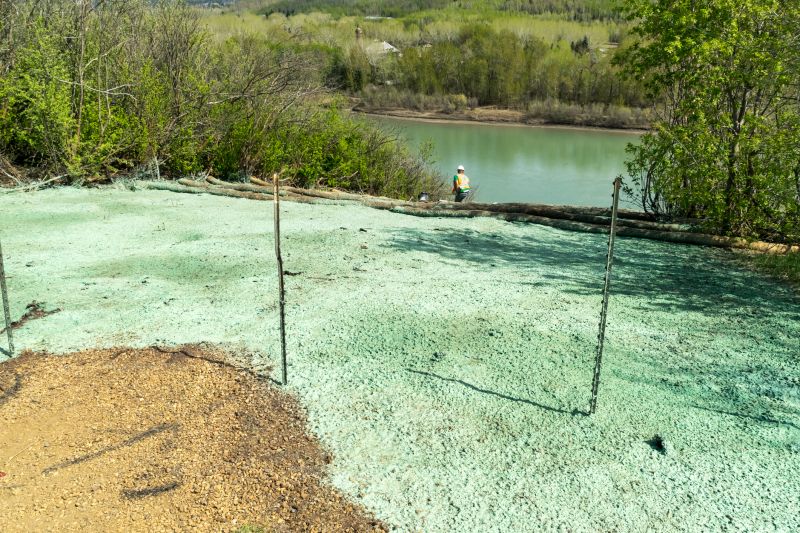
Hydroseeding in spring takes advantage of rising temperatures and increased rainfall.
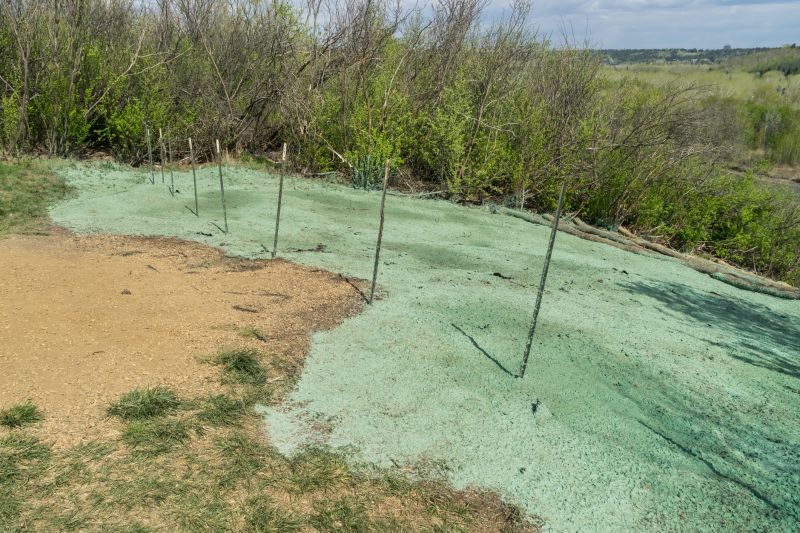
Early summer provides warm soil temperatures conducive to seed germination.
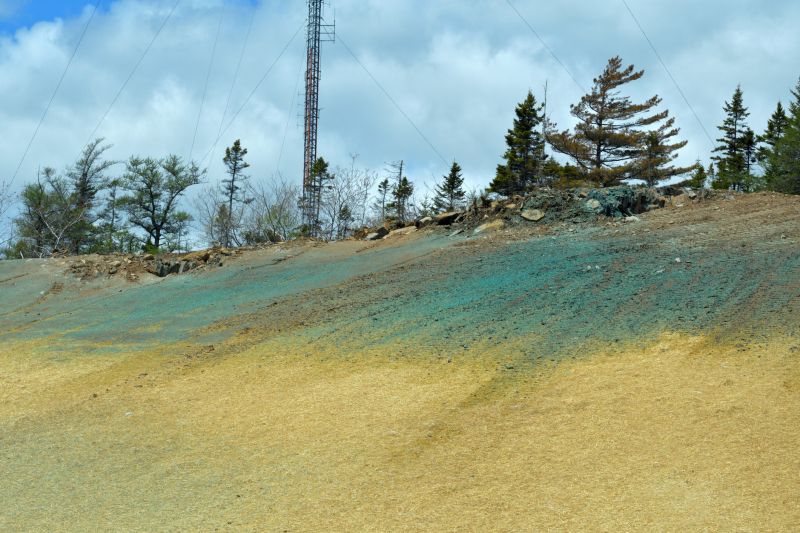
Fall offers cooler weather and consistent moisture, ideal for establishing turf before winter.
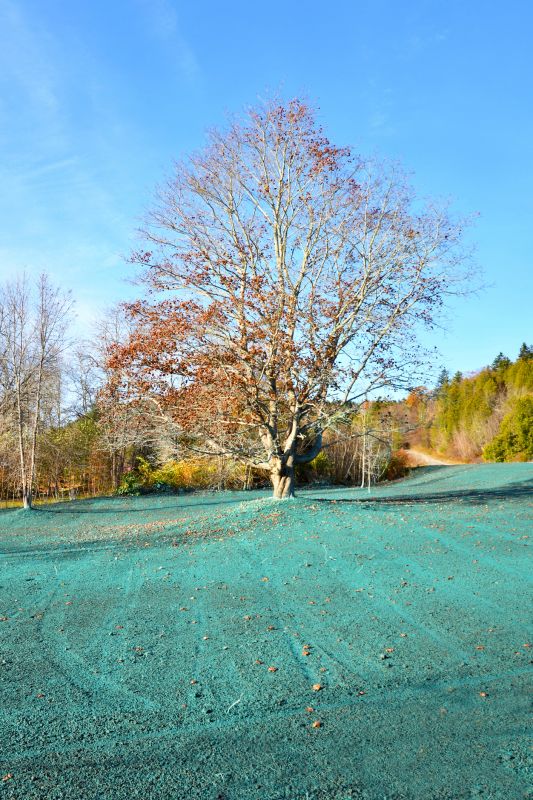
High-end options that actually feel worth it for Hydroseedings.
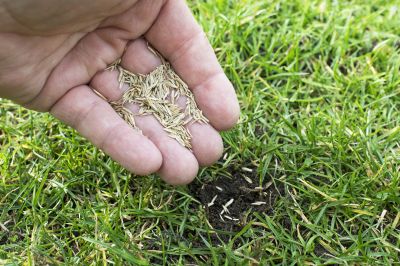
Finishes and colors that play nicely with Hydroseedings.
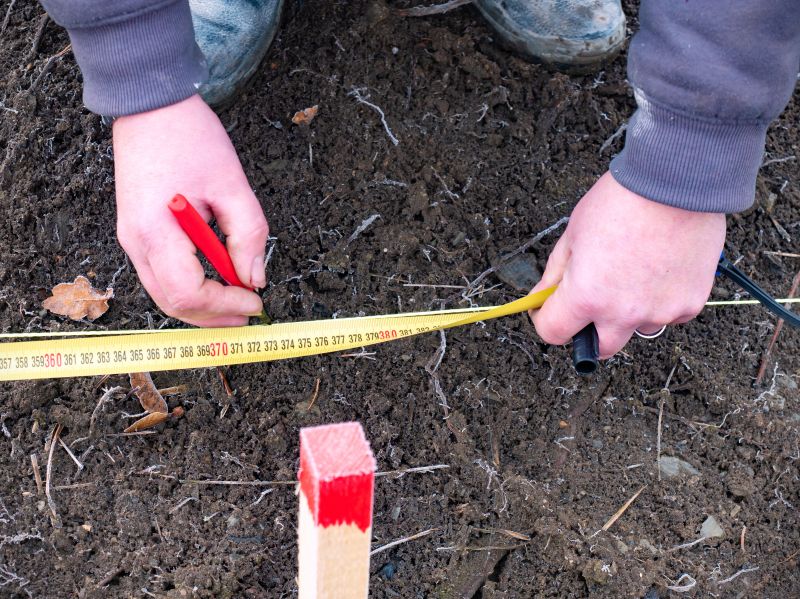
Little measurements that prevent headaches on Hydroseedings day.
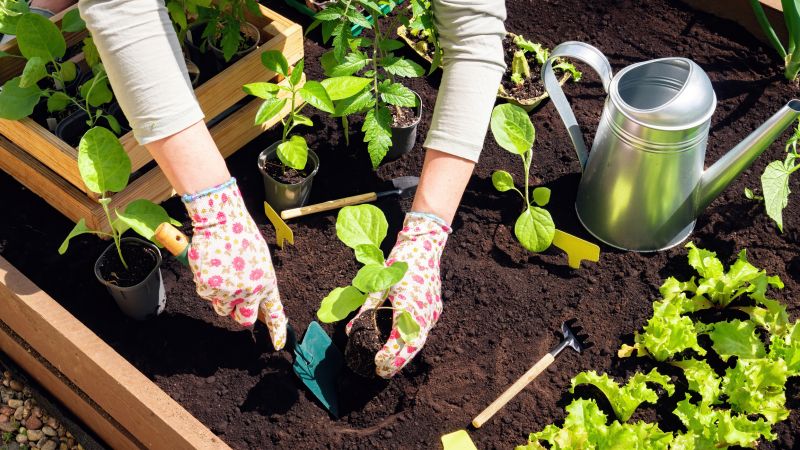
A 60-second routine that keeps Hydroseedings looking new.
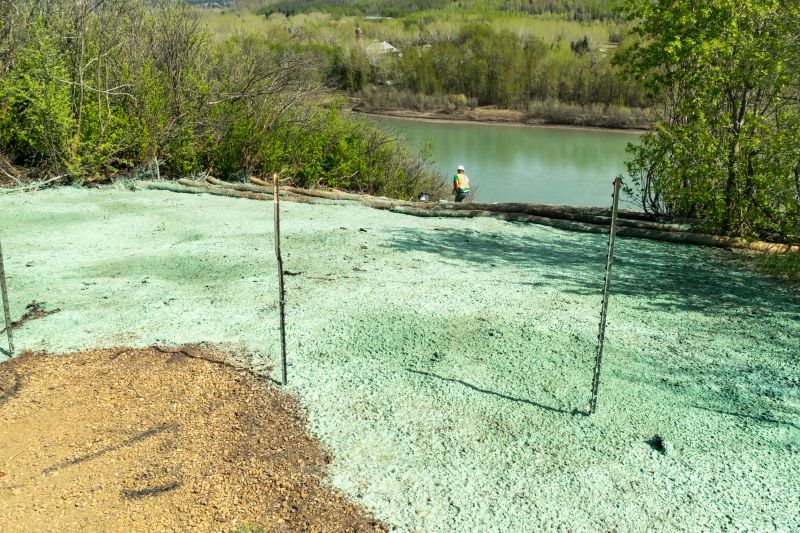
A frequent mistake in Hydroseedings and how to dodge it.
Hydroseedings involves spraying a mixture of seed, mulch, fertilizer, and water onto prepared soil. This method allows for rapid coverage of large areas with uniform seed distribution. The process is often favored for its cost-effectiveness and ability to reduce erosion, making it suitable for slopes and uneven terrain. Proper timing, combined with suitable soil preparation, can significantly influence the success rate of hydroseedings.
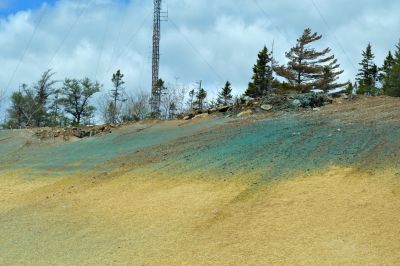
Efficiently covers large areas with uniform seed distribution.
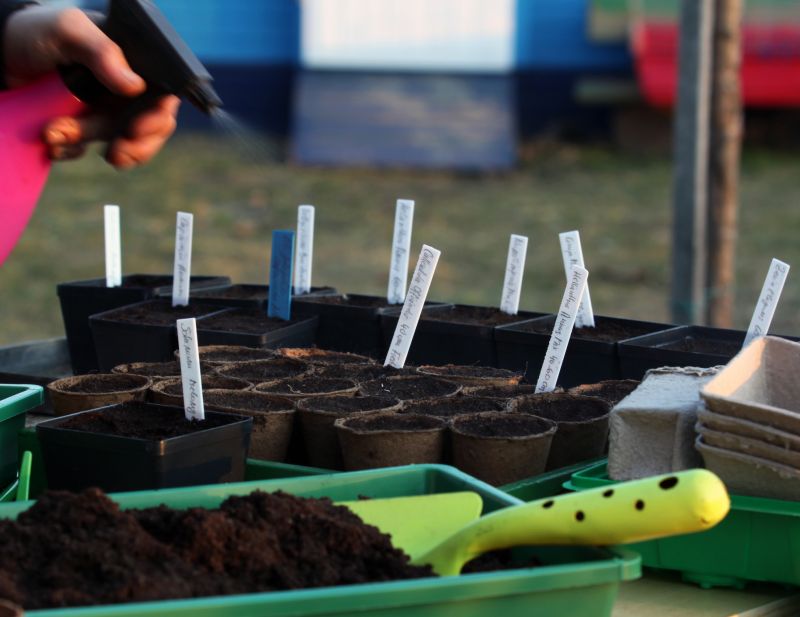
Proper soil prep enhances seed contact and germination.
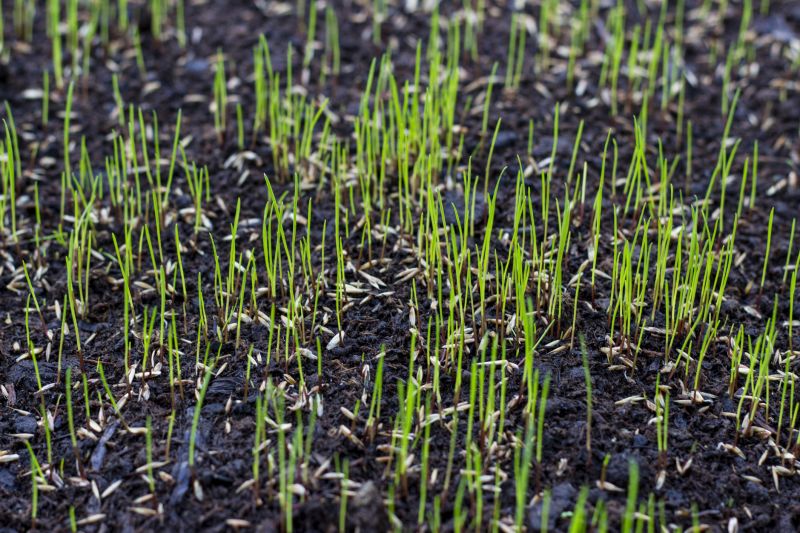
Optimal conditions lead to quicker and healthier growth.
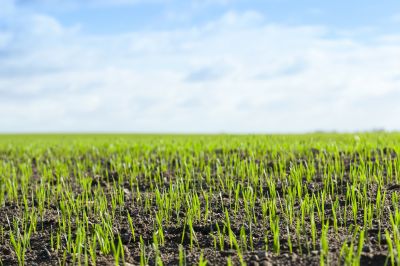
Results in a dense, durable grass cover.

Small tweaks to make Hydroseedings safer and easier to use.
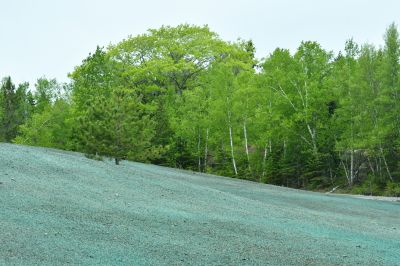
Lower-waste or water-saving choices for Hydroseedings.
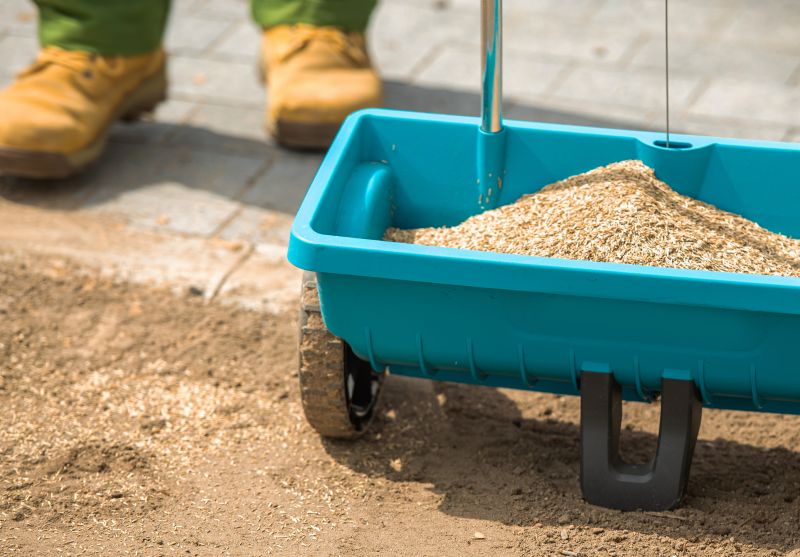
The short, realistic tool list for quality Hydroseedings.
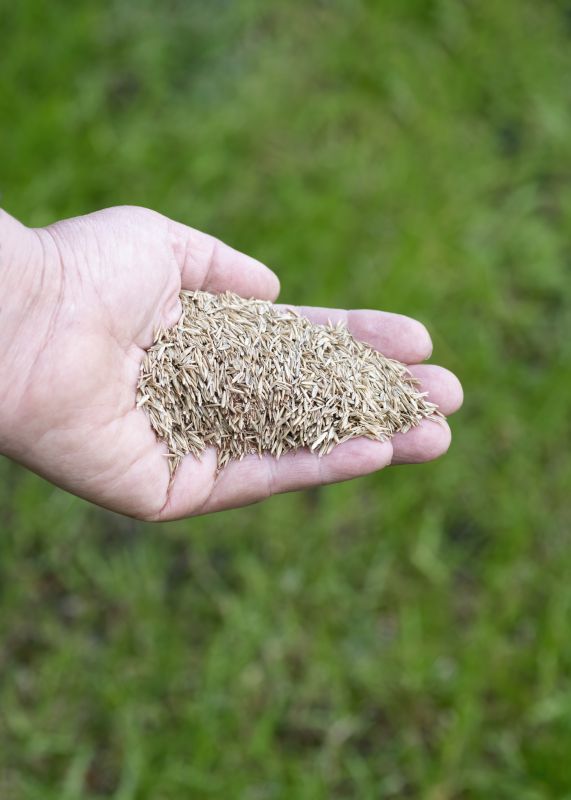
Rough timing from prep to clean-up for Hydroseedings.
| Season | Ideal Conditions |
|---|---|
| Spring | Moderate temperatures, increasing rainfall |
| Summer | Warm soil temperatures, consistent watering |
| Fall | Cooler temperatures, higher moisture levels |
| Winter | Cold temperatures, generally not suitable |